Exploring Family Dynamics: Do My Relatives Understand Me?
Explore whether your relatives truly understand you and learn strategies to enhance connections and empathy within your family dynamics.


Estimated reading time: 9 min read
Key Takeaways
- True understanding goes beyond surface-level agreement and builds emotional safety.
- Family roles and communication shape how loved ones perceive your needs and values.
- Self-assessment and tracking interactions help identify perception gaps.
- Practical strategies—active listening, clear boundaries, shared activities—foster deeper connections.
- Consistent effort and structured conversations can transform misunderstandings into empathy.
Table of Contents
- Introduction
- Section 1: Defining “Do My Relatives Understand Me” in Family Dynamics
- Section 2: The Importance of Family Understanding
- Section 3: Factors Affecting How Relatives Understand Me
- Section 4: Assessing Family Understanding
- Section 5: Strategies to Enhance Mutual Understanding
- Section 6: Real-Life Examples & Case Studies
- Conclusion
Introduction
Do my relatives understand me? This question lies at the heart of family dynamics and shapes our emotional well-being from childhood through adulthood. Asking “do my relatives understand me” taps into our need for acceptance, validation, and identity mirror within our closest relationships. In this post, we’ll unpack why understanding matters, how to assess it, and actionable steps to build deeper connections with the people who share our history.
For a structured approach to uncovering perception gaps with your family, consider using the Blindspot App. Blindspot helps you compare your self-view with anonymous feedback from loved ones, revealing the blind spots that can spark more honest conversations.
For more on gathering family insights, check out our complete guide on What Do My Family Members Think of Me.
Section 1: Defining “Do My Relatives Understand Me” in Family Dynamics
“Do my relatives understand me” refers to the degree to which family members grasp your core personality, values, emotions, and life experiences—beyond labels like “the rebel” or “the different one.” True understanding involves empathetic recognition rather than mere superficial agreement.
- Superficial agreement: Nodding along or offering polite praise, but missing the deeper context of your feelings.
- Empathetic recognition: Validating your choices, supporting your quirks, and showing curiosity about your inner world.
Why it matters
- Foundation for self-acceptance: When relatives “get” you, you internalize your own worth.
- Buffer against isolation: Strong familial understanding reduces anxiety and fosters belonging.
- Impact on mental health: Chronic misunderstanding can lead to low self-esteem and strained ties.
By defining this concept clearly, you can pinpoint where gaps exist and why they hurt.
Source: Family Understanding and Self-Acceptance
Section 2: The Importance of Family Understanding
Family understanding goes beyond holiday gatherings; it’s the bedrock of emotional resilience. When you feel understood, your family becomes a safe harbor and a launchpad for new endeavors.
- Support & Validation
- Celebrating milestones: Birthdays, graduations and promotions feel more real when relatives cheer you on.
- Reinforcing legitimacy: Hearing “I’m proud of you” makes unconventional paths (like freelancing or relocating) feel justified.
- Guidance
- Shared history as a roadmap: Advice from relatives often draws on childhood memories and shared values.
- Potential limitations: Well-meaning counsel can hold you back if it’s grounded in outdated beliefs or fear.
- Impact on Self-Esteem
- Research in family psychology links perceived understanding to higher resilience and confidence in life choices.
- Feeling “seen” by kin boosts your willingness to take risks and assert your authentic self.
Asking “do my relatives understand me” highlights their role in shaping your self-image and ambitions.
Source: The Role of Family Relationships in Resilience
Section 3: Factors Affecting How Relatives Understand Me
Several forces shape whether family truly “gets” you. By recognizing these, you can address blocks and foster empathy.
- Communication Patterns
- Vagueposting & one-liners: Cryptic social posts or “fine” responses stall meaningful exchange.
- White lies: Hiding feelings to avoid conflict deepens the divide.
- Open expression: Using “I feel… when you…” statements invites clarity and reduces misreading.
- Emotional History & Shared Experiences
- Lingering labels: Once tagged as “the sports kid” or “the abnormal one,” new facets of you get filtered out.
- Past conflicts: Teasing or unwanted group trips build mental walls and shape current perceptions.
- Cultural & Generational Differences
- Boomer vs. Gen Z clashes: Boomers may prioritize career stability; Gen Z often seeks authenticity and purpose.
- Migration & mixed cultures: Differing value systems can lead to misunderstandings around family roles and expectations.
Unpacking these factors helps you choose targeted strategies to answer “do my relatives understand me.”
Section 4: Assessing Family Understanding
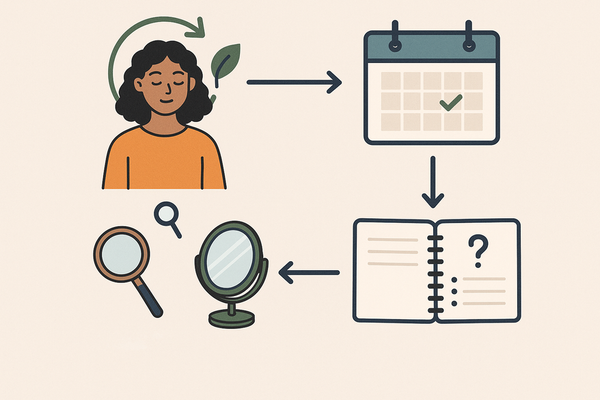
Self-reflection is the first step. Ask yourself key questions and track interactions to map out understanding gaps.
Key Questions to Ask Yourself
1. Do they celebrate my quirks or dismiss them as “different”?
2. Can I share vulnerabilities without them deflecting or changing the subject?
3. Do conversations go beyond “How are you?” to genuine curiosity about my passions and feelings?
Common Indicators
| Sign of Understanding | Sign of Misunderstanding |
|---|---|
| They ask about your passions (books, hobbies) | They make jokes about your interests |
| Support your relocation or career change | They question why you’re “running away” |
| Engage deeply on your social media posts | They ignore or belittle vagueposts |
| Show sincere concern when you’re upset | Keep chats superficial or deflect with humor |
Tracking Exercise
• Journal weekly: Note 3 positive understanding signs and 3 misunderstandings.
• Compare patterns after 4 weeks: Look for trends and triggers.
• Reflect: Does your family truly understand your core self or just a surface version?
Section 5: Strategies to Enhance Mutual Understanding
Building understanding is a two-way street. Here are proven approaches to bridge gaps.
Improve Communication
- Active Listening:
- Mirror back: “It sounds like you feel __ because __.”
- Ask clarifying questions: “Can you tell me more about that?”
- Use “I” Statements:
- “I feel unseen when my hobbies are mocked.”
- “I need your support when I share my goals.”
- Replace vagueposting with direct sharing: Be specific about your needs and emotions.
Source: The Power of Active Listening in Families
Family Activities & Counseling
- Low-stakes game nights: Encourage laughter and cooperative play.
- Shared hobbies: Cooking, walking or DIY crafts create neutral ground for bonding.
- Family genograms: Visual maps of relationships and emotional history can reveal blind spots.
- Try a family perception quiz to highlight roles and spark meaningful dialogue.
Source: Using Family Genograms for Healing
Setting Boundaries
- Scheduled calls: Agree on a weekly check-in time to discuss both surface and deep topics.
- Physical distance: A short break or relocation can reset strained patterns.
- Invitation to reconnect: Plan shared events or traditions that honor everyone’s needs.
Section 6: Real-Life Examples & Case Studies
Example 1: Read Unwritten Case
A self-proclaimed “different one” coped by vagueposting and building a chosen family. After opening up about her fandoms in a one-on-one conversation, her relatives moved from surface jokes to genuine questions—sparking breakthrough dialogues.
Source: When Family Doesn’t Understand You
Example 2: Psychology Today Success Story
A multi-generational household implemented monthly open-forum dinners. Over six months, they shifted from judgmental remarks to empathic listening, using structured prompts to explore each person’s feelings and values. This process transformed their relationships and boosted collective trust.
Source: Building Family Empathy Through Dialogue
Lessons Learned
• Patience: Real change unfolds over time.
• Persistence: Regular practice of new communication habits pays off.
• Structure: Genograms and open forums keep conversations on track.
Conclusion
We started by asking “do my relatives understand me,” defined what true family understanding looks like, explored the factors that shape it, and offered self-reflection tools and practical strategies. Remember: family dynamics aren’t fixed. By applying active listening, setting clear boundaries, and fostering new traditions, you can shift misunderstandings into empathy. Start one honest conversation today, track the signs, and watch your family connection grow. Your journey from feeling unseen to being fully understood begins now—because your relationships deserve real depth and your voice deserves to be heard.
FAQ
- How can I tell if my family truly understands me?
Look for genuine curiosity about your passions, consistent support during challenges, and a willingness to discuss your feelings without judgment. - What if honest conversations lead to conflict?
Conflict can be a catalyst for growth. Use active listening—reflect their perspective back—and set clear “I” statements to keep dialogue constructive. - How long does it take to improve mutual understanding?
Building empathy is a gradual process. With weekly check-ins and consistent communication strategies, many families notice positive shifts within a few months.