
Outdoor Self Reflection: Unlocking Self-Discovery Through Nature
Discover outdoor self reflection to harness nature for self-discovery, mental clarity, and emotional balance with practical tips and benefits.

Estimated reading time: 7 minutes
Key Takeaways
- Outdoor self reflection uses nature to foster clarity, reduce stress, and support personal growth.
- Practices like journaling, mindful walking, and forest bathing deepen self-awareness and emotional balance.
- Natural settings act as non-judgmental mirrors, inviting presence through sensory engagement.
- Consistent outdoor reflection builds resilience, improves focus, and enhances well-being.
- Simple routines can be integrated into daily life with minimal tools and time.
Table of Contents
- Introduction to Outdoor Self Reflection
- Benefits of Outdoor Self Reflection
- Practical Approaches to Outdoor Self Reflection
- Conclusion & Call-to-Action
- FAQ
Introduction to Outdoor Self Reflection
Outdoor self reflection is the intentional act of stepping away from screens and schedules to sit, walk, or simply pause in a natural setting. By immersing yourself in green or blue spaces—parks, woodlands, lakesides—you create a calm backdrop for honest self-examination. The rich sensory details of nature—light filtering through leaves, birdsong, the texture of bark—invite presence and curiosity. In this neutral, non-judgmental environment, defenses drop and new insights emerge.
Benefits of Outdoor Self Reflection
Bringing your reflective practice outdoors offers a powerful blend of mental, emotional, and physical benefits:
- Clarity & Insight: Quiet surroundings reduce mental noise, leading to “aha” moments and sharper self-awareness.
- Emotional Balance: Natural sights and sounds engage your parasympathetic system, easing anxiety and promoting calm.
- Resilience & Focus: Regular pauses build executive control, helping you set priorities and stay on track.
- Physical Well-Being: Gentle movement—walking, stretching, sitting—boosts circulation and counters sedentary habits.
Practical Approaches to Outdoor Self Reflection
These simple methods can fit into any schedule and require minimal gear:
- Journaling in Nature
Bring a notebook or app and jot down answers to: What happened? Why does it matter? What did I learn? What’s next? This process can be enhanced by exploring expressive journaling for self-discovery and personal expression. - Meditation or Quiet Sitting
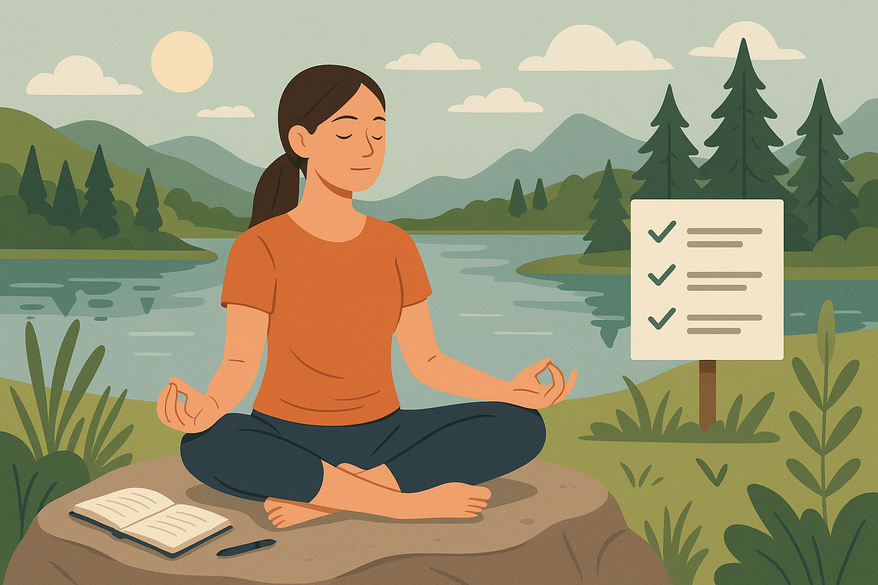
Choose a comfortable spot—bench, rock, or blanket under a tree—and focus on breath, a leaf, or birdsong. Label passing thoughts (“worry,” “memory”) and gently return to your anchor. For those interested in deepening this practice, you might find guided meditation for self reflection helpful for personal growth. - Mindful Walking
Walk slowly, noticing each footfall, the air on your skin, colors and textures around you. After 10–20 minutes, pause to journal any recurring thoughts. - Nature-Based Prompts
Use natural elements as metaphors: a fallen log for resilience, a budding flower for new beginnings. Reflect on how these images mirror your current journey. If you're curious about other creative ways to explore your authentic self, consider these practical approaches to creative self discovery and also explore creative self reflection for unlocking personal growth through art and expression. For a broader understanding of personality and self-discovery, you might also enjoy our Personality Types: The Complete Guide to MBTI, Big Five, and Self-Discovery. - Mini “Forest Bath”
Spend 20–45 minutes wandering or sitting without agenda. Touch bark, inhale forest scents, listen to rustling leaves—let curiosity guide you. For more creative methods to deepen your self-discovery outdoors, explore art therapy for self awareness and personal expression.
Conclusion & Call-to-Action
Outdoor self reflection blends inner work with nature’s healing power. By committing just 5–15 minutes to a walk, journal session, or quiet sit in a nearby green or blue space, you’ll cultivate greater clarity, emotional balance, and a deeper connection to your true self. For those interested in exploring how nature can further unlock personal discovery, consider taking the Nature Self Awareness Test for personal growth.
Get started today:
- Choose a regular outdoor spot within walking distance.
- Select one practice—walking, sitting, or journaling—for 5–15 minutes.
- Frame a guiding question: “What am I learning about myself right now?”
- After one week, notice any shifts in mood, focus, or self-awareness.
For step-by-step guidance, see How to Build a Self Reflection Routine: A Step-by-Step Guide and deepen your practice with Mindfulness Self Discovery for Personal Growth. To compare your self-perception with how friends see you, try the Blindspot App for AI-powered insights. If you want to learn more about how others perceive you and bridge the perception gap, check out How Others See You: Understanding and Bridging the Perception Gap. If you're just starting your journey, our Self Awareness Beginner Guide can help you lay the foundation for personal growth.
FAQ
What is outdoor self reflection?
It’s the practice of using natural settings as a backdrop for mindful self-examination—observing thoughts, emotions, and life direction away from digital distractions.
How often should I practice outdoor self reflection?
Aim for 3–5 sessions per week, even if each one lasts just 5–10 minutes. Consistency builds momentum and deepens insights.
What if I don’t have a park or forest nearby?
Urban greenspaces, community gardens, a quiet street with trees, or even a balcony with potted plants can work. Seek any spot that feels calm and natural.
Can outdoor self reflection improve mental health?
Yes. Research shows that nature-based reflection reduces stress, enhances mood, and sharpens executive function, supporting overall well-being.
How do I stay consistent?
Tie your practice to an existing habit—like morning coffee or lunchtime break—and set a clear intention each time you head outdoors. Remove phone distractions and embrace curiosity. If you're looking for more ways to transform your daily life through self-awareness, explore these practical self awareness coaching tools. For additional tips on cultivating inner peace and self-acceptance, you may find Self Acceptance Assessment: 7 Proven Strategies to Cultivate Inner Peace helpful. For answers to common questions about self-reflection and personal growth, see our Self Discovery FAQs: A Beginner’s Guide to Self-Awareness & Reflection. Also, to deepen your understanding of your social connections, check out Understanding Your Friendships: Signs, Dynamics, and Deeper Insight.