The Ultimate Coping Skills Self Test: Evaluate & Improve Your Resilience
Take our coping skills self test to evaluate your stress responses, identify healthy patterns, and learn steps to boost resilience and emotional wellbeing.

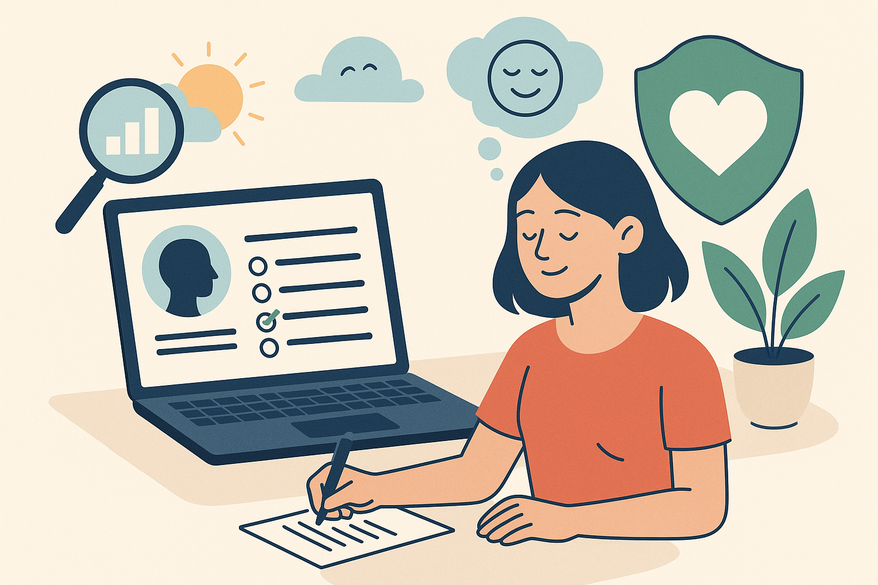
Estimated reading time: 8 minutes
Key Takeaways
- Assess your current coping strategies and identify healthy vs. maladaptive patterns.
- Follow a structured self test to measure stress responses and boost resilience.
- Set **SMART goals** to fill gaps in problem-focused, emotion-focused, social, and meaning-focused coping.
- Use practical tools—like a personal coping menu and regular practice—to strengthen mental wellbeing.
Table of Contents
- Introduction
- What Are Coping Skills and Why Do They Matter?
- Types of Coping Skills
- Defining a Coping Skills Self Test
- Benefits of a Coping Skills Self Test
- Step-by-Step Guide to Your Coping Skills Self Test
- Making Sense of Your Results
- Actionable Strategies to Boost Your Coping Toolkit
- Conclusion & Further Reading
Introduction
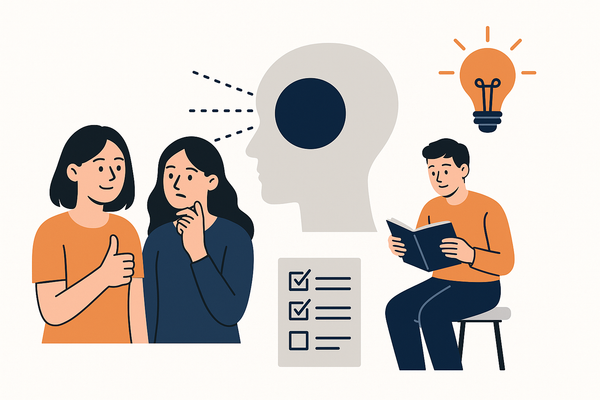
Coping skills are the strategies, tools, and behaviors you use to handle stress, big emotions, and life’s challenges so you can stay balanced and strong. When applied intentionally, they protect your mental health and help you bounce back. This guide walks you through a structured coping skills self test to evaluate your stress responses, spot healthy versus unhealthy patterns, and learn actionable steps to boost your resilience.
What Are Coping Skills and Why Do They Matter?
Coping skills help you manage stress, regulate emotions, and solve problems when life feels tough. Healthy strategies reduce stress’s impact on mood and body, improve decision-making, and strengthen relationships. In contrast, maladaptive tactics—like avoidance or substance use—may offer short-term relief but often worsen stress over time. Learn more from The Essential Role of Coping Skills in Mental Health and Why Are Coping Skills Important?
Types of Coping Skills
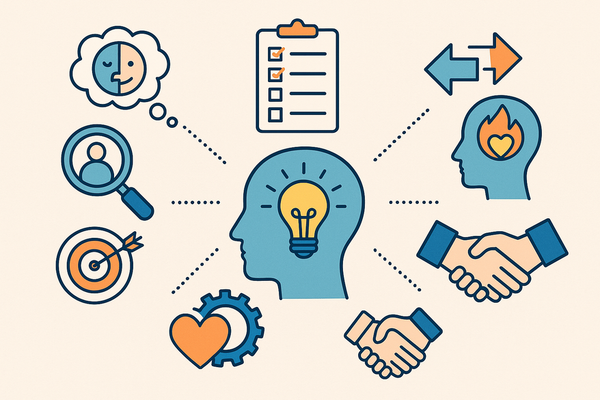
- Problem-Focused Coping: Tackles the stressor directly (e.g., breaking tasks into steps, asking for help). (Cleveland Clinic Stress Coping)
- Emotion-Focused Coping: Soothes or changes how you feel (e.g., exercise, journaling, meditation). (Therapists Birmingham)
- Social/Support-Seeking Coping: Reaches out for emotional or practical help (e.g., talking to a friend, joining a support group). (Hopkins Medicine Coping Skills Development)
- Meaning-Focused Coping: Finds new ways to view stressors (e.g., reframing beliefs, drawing on personal values). (Cleveland Clinic Stress Coping)
- Maladaptive Coping: Quick fixes that backfire (e.g., denial, substance use, chronic avoidance). (Identifying Healthy Coping Skills)
Defining a Coping Skills Self Test
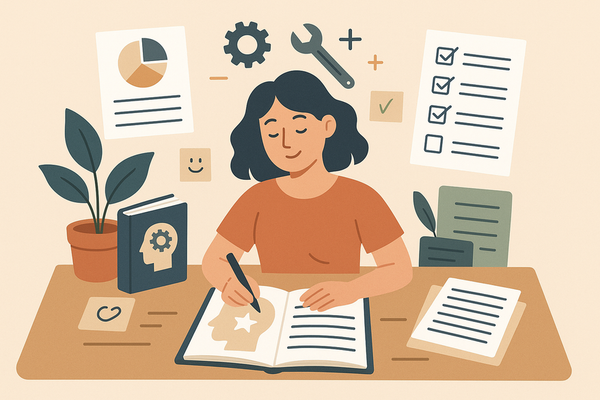
A coping skills self test is a structured self-assessment—like a questionnaire or rating scale—that helps you examine your current coping methods, identify what works, and spot harmful patterns. Common formats include rating scales (e.g., “How often do you journal?”), multiple-choice questions, or worksheets. (PMC10911315)
Benefits of a Coping Skills Self Test
- Increased self-awareness: See patterns you didn’t notice before. (WellCats Coping Resources)
- Identification of strengths: Recognize which healthy strategies already serve you. (Importance of Coping Skills and Better Mental Health)
- Spotting improvement areas: Pinpoint overuse of avoidance or numbing. (Coping Strategies and Self-Care)
- Goal-setting for mental health: Create action-oriented plans and track progress. (Psychological Well-Being Scale Guide)
Step-by-Step Guide to Your Coping Skills Self Test
- Identify Current Stressors: List your top 3 stressors (work, family, health). Ask: “When do emotions peak?”
- List Typical Reactions: Note your thoughts, feelings, and behaviors under stress (e.g., scrolling, journaling).
- Sort Reactions into Categories: Classify each behavior as problem-focused, emotion-focused, social, meaning-focused, or maladaptive.
- Rate Effectiveness: Give each reaction a 1–5 score for short-term relief, long-term impact, and alignment with your values.
- Identify Gaps & Set Goals: Spot missing categories or overused patterns. Create 1–2 SMART goals (e.g., “Call a friend once a week”).
Making Sense of Your Results
Balance: Do you use a variety of healthy tools or rely on just one?
Flexibility: Can you switch skills when situations change?
Healthiness: Are your go-to strategies life-supporting or risky? (PMC10911315)
Red Flags: Heavy substance use, self-harm, isolation, or constant overwhelm signal the need for professional support. (Hopkins Medicine Coping Skills Development)
Turning Insights into Change: Keep strategies that calm and solve problems. Gently replace harmful habits. Add one new healthy skill at a time and practice regularly. (Identifying Healthy Coping Skills)
Actionable Strategies to Boost Your Coping Toolkit
- Build a Personal Coping Menu: List 10+ healthy actions across categories and keep it visible. (The Essential Role of Coping Skills in Mental Health)
- Practice Pre-Crisis: Do deep breathing daily, journal twice a week, schedule short walks. (WellCats Coping Resources)
- Strengthen Problem-Focused Coping: Break tasks into steps, delegate early, set realistic goals. (Cleveland Clinic Stress Coping)
- Improve Emotional Regulation: Use grounding techniques, guided mindfulness, or safe emotional release. (Cleveland Clinic Stress Coping)
- Invest in Relationships: Schedule weekly calls, join a hobby group, ask for help when needed. (PMC10911315)
- Set Goals, Evaluate, Adjust: Make a simple daily goal, check in weekly, update your menu as life changes. (WellCats Coping Resources)
Conclusion & Further Reading
Regularly taking a coping skills self test gives you clarity on how you handle stress and where you can grow. Commit to honest assessment, interpret your results, and take concrete steps to build healthier habits. For extra tools, explore:
- Cleveland Clinic Stress & Coping Guide
- WellCats Stress and Coping Resources
- Hopkins Medicine Coping Skills Development
- Juniper Center Coping Worksheets
- Pause Wellness Center Healthy vs. Unhealthy Coping
- Reverence BHS Coping and Self-Care Tips
FAQ
- What is a coping skills self test?
- It’s a self-assessment tool—often a questionnaire or worksheet—that helps you evaluate which coping strategies you use and how effective they are.
- How often should I take the self test?
- Every 4–6 weeks is ideal to track progress, identify new stressors, and adjust your goals.
- Can I do this test alone?
- Yes. It’s designed for personal reflection, but sharing results with a therapist or coach can add accountability and insight.
- What if I spot maladaptive patterns?
- Start by gently swapping one harmful habit for a healthy strategy, and consider professional support if you notice substance use or self-harm.