
Art Therapy for Self Awareness: Creative Methods for Self-Discovery and Personal Expression
Discover art therapy for self awareness and explore creative methods for self-discovery and personal expression. Enhance emotional healing through art.

Estimated reading time: 10 minutes
Key Takeaways
- Art therapy blends creative expression with psychology to deepen self-awareness and support emotional healing.
- Simple, at-home exercises like free-form drawing, collage, and emotion color wheels reveal hidden feelings.
- Regular creative check-ins reduce stress, boost resilience, and improve emotional regulation.
- Artistic talent isn’t required—focus on the process, not perfection, to unlock insights.
- Resources like the Blindspot App and expressive journaling guides enhance self-discovery.
Table of Contents
- Introduction
- Understanding Art Therapy for Self Awareness
- Connection Between Art & Self-Discovery
- Practical Tips and Techniques at Home
- Benefits of Art Therapy for Self Awareness
- Overcoming Barriers and Getting Started
- Additional Resources and Next Steps
- Conclusion
- FAQ
Introduction
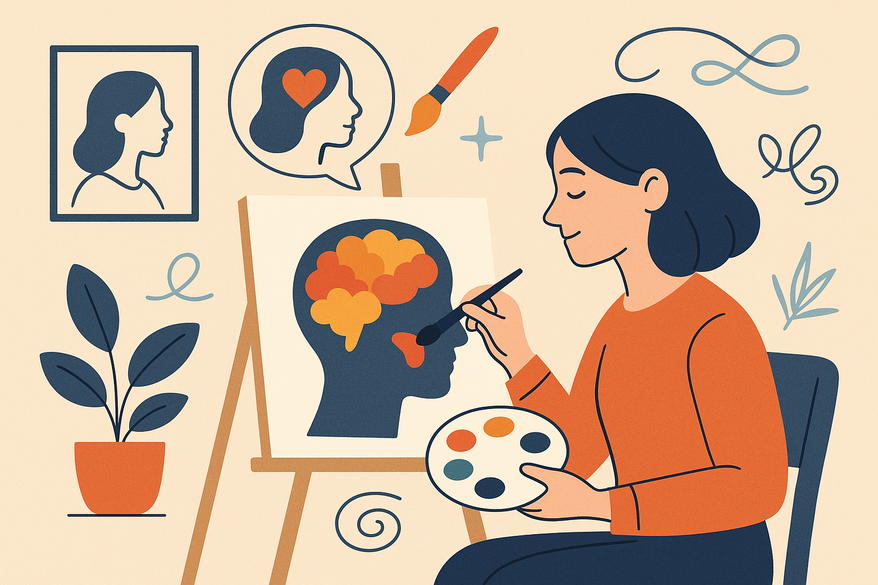
Art therapy for self awareness uses creative expression as a structured therapeutic tool to explore emotions, thoughts, and identity. It blends art-making, psychological theory, and the therapeutic relationship to support emotional healing and deepen self-awareness. In art therapy, making art—whether drawing or collage—is a way to listen to yourself rather than judge your skill.
For deeper insights into how others perceive you and to uncover your blind spots with anonymous friend feedback, check out the Blindspot App. You may also want to learn more about how others see you and bridging the perception gap for a fuller picture of self-awareness.
Understanding Art Therapy for Self Awareness
The American Art Therapy Association defines art therapy as “active art-making, creative process, applied psychological theory, and human experience within a psychotherapeutic relationship.” By using art to express feelings that can’t always be put into words, it offers a unique path to personal insight.
Origins
Art therapy emerged in the early 20th century when doctors and artists noticed that clients revealed deep feelings, thoughts, and memories through drawing and painting.
Role in Mental Health
- Explore emotions
- Increase self-awareness
- Cope with stress
- Boost self-esteem
- Foster resilience
Science Behind Creativity
- Engages brain areas for emotion, memory, and reflection
- Promotes a “flow” state for mindfulness and reduced worry
- Externalizes inner experiences for clearer understanding
Connection Between Art & Self-Discovery
Art can reveal hidden emotions through color, shape, and form. For example, a dark blue sky in a painting may point to sadness. The “guided hand” technique invites the subconscious to lead your brush, bringing buried feelings to the surface.
Common Artistic Mediums
- Drawing (doodles to sketches)
- Painting (watercolor, acrylic)
- Collage (photos, magazine clippings)
- Clay/sculpture
- Coloring/doodling
- Photography
Case Examples
- A teen mapped relationships by drawing circles for people and lines for connections.
- A grieving adult built a memory box collage with photos and words, then talked about it to process loss.
- A client drew their “future self” to see strengths and hopes, boosting confidence.
Practical Tips and Techniques at Home
You don’t need art school—just curiosity and simple tools. Try these exercises:
Free-Form Drawing (Emotional Check-In)
Purpose: Reveal current feelings.
Materials: Paper and pen/markers.
Steps:
- Set a 10–15 minute timer.
- Close your eyes or soften your gaze.
- Draw lines and shapes without planning.
- When time’s up, journal: “What does this say about my mood?”
Reflection: Notice color or shape patterns.
Duration: 15 minutes
Mindful Drawing (Self-Reflection)
Purpose: Build mindfulness.
Materials: Paper, pencil, a simple object (leaf, cup).
Steps:
- Find a quiet spot.
- Focus on your breath.
- Draw the object slowly, noticing sensations.
- Journal insights: “What surprised me about my focus?”
Duration: 15–20 minutes
Visual Journaling
Purpose: Track feelings over time.
Materials: Sketchbook, markers, collage bits.
Steps:
- Create daily or weekly images reflecting mood.
- Add brief notes about thoughts and events.
- Review past entries for patterns.
Duration: 10–30 minutes per session
Self-Portrait (Identity Exploration)
Purpose: Examine self-image.
Materials: Mirror or photo, paper, colored pencils.
Steps:
- Sketch yourself without judging.
- Use colors or symbols for fears, strengths.
- Journal: “What did I include or omit?”
Duration: 30–45 minutes
Collage (Life Themes & Values)
Purpose: Clarify values and goals.
Materials: Magazines, photos, glue, poster board.
Steps:
- Pick a theme (e.g., “Who am I?”).
- Cut images/words that fit.
- Arrange and glue.
- Journal: “What themes emerged?”
Duration: 30–60 minutes
Emotion Color Wheel (Mood Tracking)
Purpose: Expand emotional vocabulary.
Materials: Paper, colored pencils or markers.
Steps:
- Draw a circle divided into segments.
- Assign each emotion a color.
- Shade segments based on today’s feelings.
- Track over days or weeks.
Duration: 5–10 minutes daily
Benefits of Art Therapy for Self Awareness
Art therapy for self awareness offers proven gains:
- Increased self-awareness by making feelings visible
- Better emotion identification and labeling
- Reduced stress, anxiety, and rumination
- Improved mood and relaxation
- Enhanced emotional regulation and resilience
- Boosted self-esteem and confidence
- Fresh perspectives on challenges
- Enhanced problem-solving and creativity
The American Art Therapy Association states that art therapy “enriches lives” and “promotes self-awareness” by blending creative process with psychological insight.
Overcoming Barriers and Getting Started
“I’m not artistic” is a common myth. In art therapy, there’s no right or wrong—only the process matters.
Handling Fear of Judgment
- Start with private exercises like doodling or coloring.
- Remind yourself the art is just for you.
- Focus on curiosity: “What can I learn?”
Mindset for Beginners
- Embrace experimentation, not perfection.
- Give yourself permission to make a mess.
- Be gentle with strong emotions that surface.
Creating Your Space
- Pick a small, dedicated spot (desk or corner).
- Gather basic supplies: paper, pens, paints, magazines.
- Make it calming—add soft lighting or music.
- Minimize distractions—silence your phone.
Additional Resources and Next Steps
For more creative self-exploration methods, check out our guide to Creative Self Discovery: 7 Practical Approaches to Unearth Your Authentic Self and dive into our Expressive Journaling Quiz: Unlock Self-Discovery and Personal Expression. You can also explore creative self reflection for personal growth through art and expression to deepen your journey. If you want to learn more about understanding yourself, our definitive guide to self-awareness offers comprehensive insights and actionable steps. For those just starting out, our Self Awareness Beginner Guide provides a step-by-step introduction to building self-awareness and personal growth. You may also find our mindfulness self discovery for personal growth guide helpful for integrating mindful practices into your creative routine. For a broader look at personality and self-discovery, see our complete guide to MBTI, Big Five, and personality types.
- Pick one exercise (e.g., mood color wheel) this week.
- Schedule a 10–20 minute creative check-in regularly.
- Consider working with a licensed art therapist if deep emotions arise.
Conclusion
Art therapy for self awareness offers a clear path to understanding your inner world. You don’t need art skills—just a willingness to explore. By using creative methods like free-form drawing, collage, or emotion color wheels, you can turn thoughts and feelings into visible insights. Try one exercise today, note what emerges, and make time for regular creative check-ins. As you practice, you’ll gain deeper self-knowledge and emotional resilience. Embrace art as a mirror for your journey of self-discovery and personal expression.
For an added layer of feedback on how friends perceive you, give the Blindspot App a try—it’s free on iOS and Android and helps you uncover blind spots to grow more self-aware.
FAQ
Q: What exactly is art therapy for self-awareness?
A: Art therapy combines creative processes with psychological theory to help individuals express and explore emotions, deepen self-awareness, and foster healing—no artistic skill required.
Q: How can I practice art therapy at home?
A: Start with simple exercises like free-form drawing, mindful sketching, or creating a mood color wheel. Use basic supplies—paper, pens, markers—and set aside 10–20 minutes for a creative check-in. For those interested in mindfulness, you might also explore self awareness meditation techniques to enhance mindfulness and personal growth.
Q: What if I’m not good at art?
A: There’s no “right” or “wrong” in art therapy. Focus on the process, not the outcome. Embrace experimentation and allow yourself to make a mess—the insights come from exploration.
Q: How often should I engage in these techniques?
A: Consistency is key. Even a 5–15 minute session a few times a week can reveal patterns and support emotional regulation. Adjust frequency based on your schedule and needs.
Q: When should I consider working with a professional art therapist?
A: If you encounter intense emotions or complex trauma, or if you want guided support, seek a licensed art therapist who can tailor techniques to your personal journey.